
The Great Barrier Reef is one of the World’s Natural Wonders.

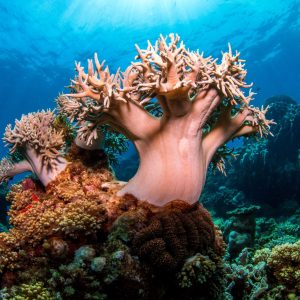
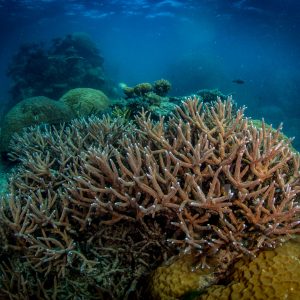
The Great Barrier Reef is about 500,000 years old, with its most recent growth starting about 8000 years ago.
Coral reefs begin to build where large numbers of stony corals live together and are skeletonized, and together with sand, rubble, plants, and molluscs form a limestone foundation.
Layer by layer, it builds over thousands of years.
Coral Reefs
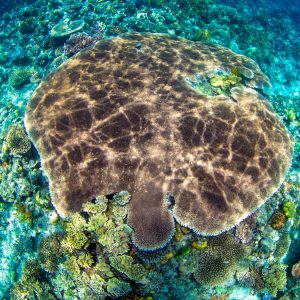
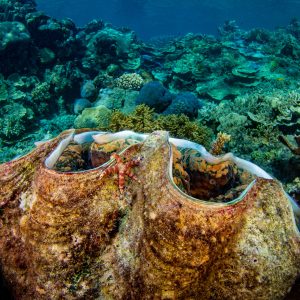
Nearly 3,000 individual coral reefs and about 300 small coral islands called cays form the Reef. The Great Barrier Reef is the world’s largest structure and is made of living organisms.
Where is the Great Barrier Reef?
One of the world’s greatest natural wonders is the Great Barrier Reef, located off the northeastern coast of Australia and bordering the crystal clear Coral Sea.
It is the world’s most extensive coral Reef system, extending about 2,010 kilometres (1,250 miles) parallel to the coast of Queensland.
Tourism on the Great Barrier Reef
The Reef is a foremost tourist attraction, bringing in about 1.6 million tourists annually. Cairns is one of the largest centres for Reef tourism and a few secluded islands located farther offshore.
To the south, visitors can see the Great Barrier Reef from Bundaberg, Gladstone, Whitsunday Islands and Mission Beach.
North of Cairns, visitors can see the Great Barrier Reef from Port Douglas and Cape Tribulation.
It may be surprising that corals are living animals. For a long time, people thought corals were plants.
They have an opening or a mouth to nourish and require shallow waters for oxygen intake. Divers and snorkellers should allow enough distance from the coral to ensure they do not damage the Reef.
White coral is, in fact, dead, but the bright, almost neon coral, a dazzling site whether beheld from above or beneath the sea’s surface, is very much alive and changes in colour with the water, which ranges from brilliant blue to aqua green.
These coral gardens, underwater canyons, shipwrecks and marine animals make snorkelling and scuba diving the most popular activities on the Reef.
Much of the Great Barrier Reef remains unexplored and will keep scientists busy for millenniums.
The coral Reef has fantastic beauty that can be witnessed from outer space, keeping visitors captivated for all time.
While the draw for most travellers to The Great Barrier Reef is its breathtaking creatures, the actual reefs are just as stunning.
Over a few millennia, the structures formed by small animals, rocks, coral and sand have created an other-worldly environment best explored by snorkel and scuba.
To make a liveaboard excursion even more exciting, familiarizing oneself with the reefs can be a way to spot species, identify the rarest and enhance the experience of seeing the Great Barrier in a whole new way.
Is the GBR in danger?
Sometimes there are threats to the reefs, both natural and manufactured.
In 2000, a crop of starfish called crown-of-thorns took out many coral species.
Climate change causing frequent coral bleaching and poor water quality are the biggest threats to the Great Barrier Reef.
However, organizations like the Australian government have initiated laws to prevent events like this from hurting tourism or wildlife.
While the ebb and flow of various species come and go, the diversity and growth of the reefs stay stable.
Not only are the animals and coral formations pretty to look at, but scientists are also finding ways that the Reef can help medical advancements and sustain the overworld atmosphere.
These essential findings make keeping the reefs clean and growing even more critical than ever.
How travellers can help
These efforts are translated over into eco-tourism efforts well. Visitors need to observe the reefs and their plant and animal life. It will make a dive better and educate guests on the conservation and protection of this natural wonder.
They will know what structures are delicate and dangerous, leaving coral and flora intact.
Green zones managed by the Great Barrier Reef Marine Park provide safe zones for the coral reef and the animals.
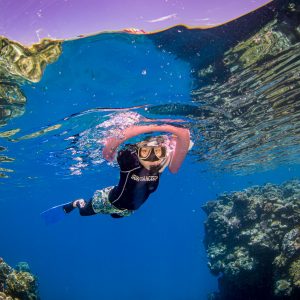
Snorkelling is an easy way to admire the reefs at a safe and secure distance.
While snorkelers can still almost reach out and touch the wildlife, it’s always best to follow the no-touching rules.
Guides in places like Cairns will know the proper way to view the reefs and pass on their knowledge to the snorkelers.
It ensures everyone’s safety and unforgettable experiences for travellers who love snorkelling into underwater worlds.